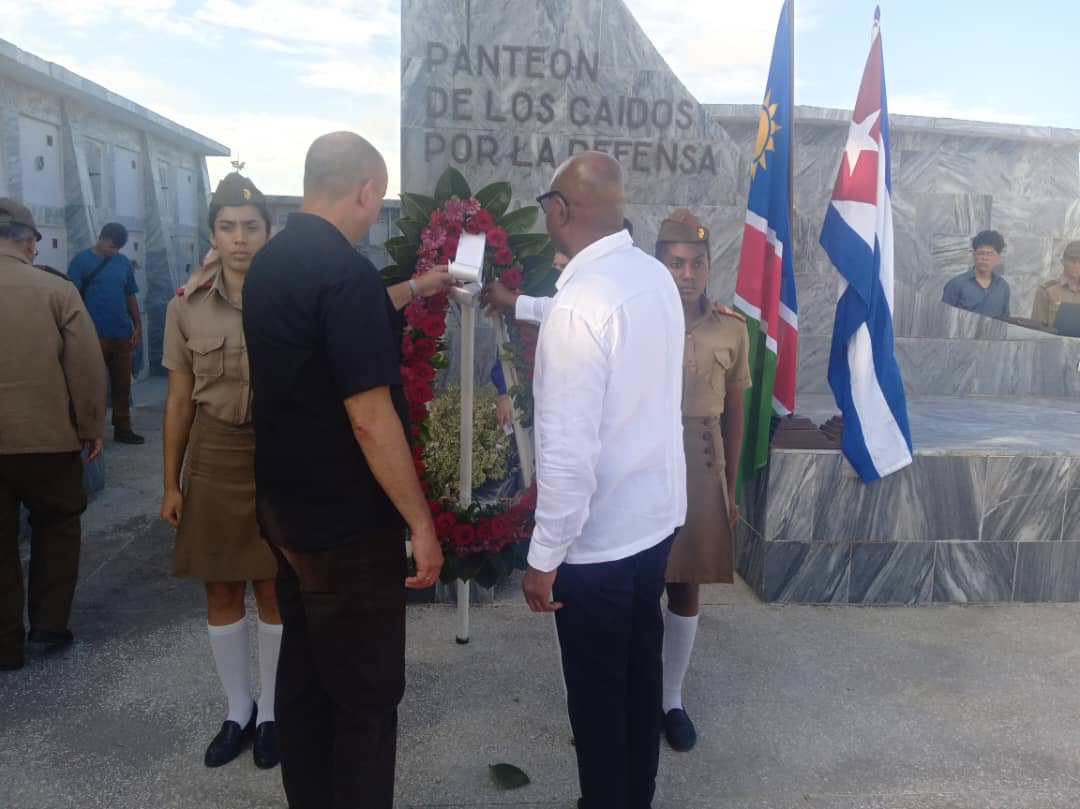
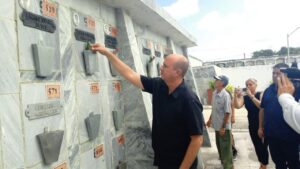
In a solemn and emotional ceremony with floral offerings at the pantheon of the fallen in defence, Ciego de Ávila commemorated on Monday the 48th anniversary of the Cassinga massacre, paying tribute to the eight Avilanians who fell in that action on 4 May 1978.
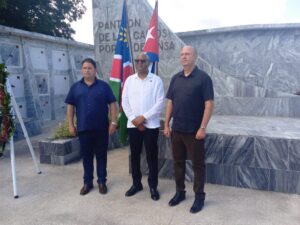
The event was presided over by Julio Heriberto Gómez Casanova, First Secretary of the Party in the province, and Alfre Menéndez Pérez, Governor.
During the ceremony, Lebbius Tangeni Tobias, Ambassador of the Republic of Namibia in Cuba, expressed his profound respect for the fallen and recognised their bravery, daring and altruism in offering their lives for people they never knew.
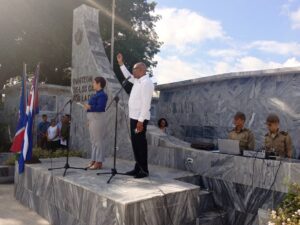
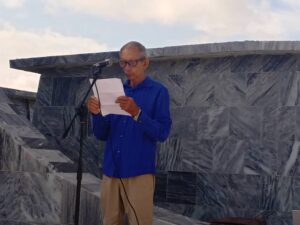
For his part, internationalist combatant Pascual Corbea Jiménez recounted the events of that day and extolled the courage of the Cubans who lost their lives defending the sister African nation.
Beyond remembrance, the commemoration of this anniversary represents for Ciego de Ávila and for Cuba a symbol of internationalist coherence and unbreakable brotherhood with Africa.
On that day, 4 May 1978, forces of the South African army, in the midst of the apartheid era, launched a surprise attack on the Cassinga refugee camp in southern Angola, where Cuban advisors were collaborating with Namibia’s independence.
The fall of the eight Avilanians — alongside more than 600 Namibians and around twenty Cubans in total — was not an isolated event, but rather part of the solidarity essence of the Cuban Revolution: defending the freedom of other peoples as if it were their own.
Cassinga is, therefore, an open wound that recalls the human cost of apartheid, but also a banner of dignity that shows how a small Caribbean country confronted institutionalised racism in Southern Africa.
For Namibia, the Cuban presence and sacrifice were decisive in achieving its independence in 1990. For Cuba, Cassinga is an honourable page in the book of internationalism. And for Ciego de Ávila, its eight fallen sons represent the most authentic face of the Cuban people: those who do not hesitate to give their lives for just causes, even far from their own land.

By laying floral offerings at the pantheon of the fallen in defence, the province not only honours its martyrs, but also reaffirms its commitment to memory, historical justice and the enduring relevance of ideals that transcend generations.