- On the occasion of the 26th anniversary of the HSH network in Cuba, Dr Luis Estruch Rancaño reflects on demographic transition, premature mortality, self-responsibility and the irreplaceable weight of the blockade on Cuban public health.
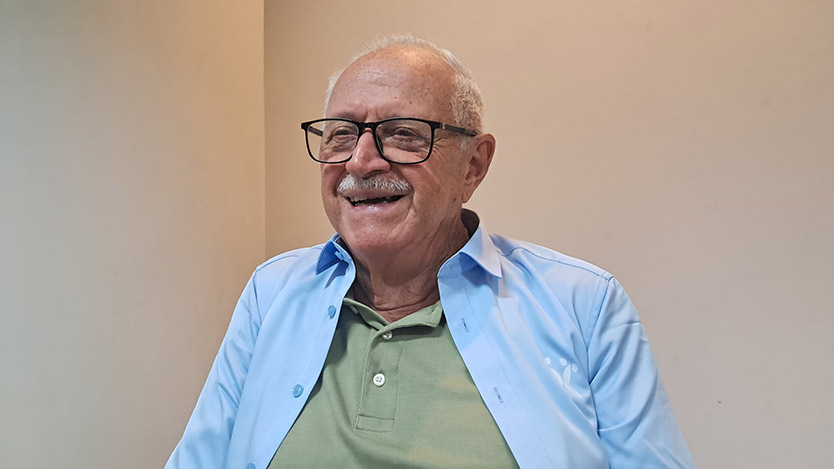
There are figures that, spoken with the calm of someone who has lived them for half a century, weigh more than any speech. Dr Luis Estruch Rancaño, emeritus professor and Doctor of Sciences at the Latin American School of Medicine, has been involved with sexually transmitted disease programmes in Cuba for fifty-two years.
And last Thursday, when the HSH network turned 26 years old, his words had the tone of someone looking back to better understand what lies ahead.
Cuba, the doctor said, is set to become, in the near future, a population basically of children and the elderly. Demographic transition changes everything: age groups change, risks change, threats change. That is where venereal diseases, HIV-AIDS, hepatitis and tuberculosis come in. Because there will always be viruses and bacteria, he insisted, citing COVID-19, chikungunya and Ebola as reminders that humanity remains under threat.
He is concerned, above all, about premature mortality: those people aged 30, 40, 50 who do not reach 70 or 80, who lose half a possible life. Often due to accidents, he said, but a considerable portion due to self-harm, and another due to not taking care of themselves: the young person who dies of cirrhosis from alcoholism, who dies of lung cancer from smoking. There, he argued, there is always room for prevention, although a renewed health approach is needed.
He spoke of self-responsibility with particular emphasis. For him, it is the greatest factor in health care, but it first requires educating the population: that radio, television and school messages convey a different approach, that people know that taking care of themselves does not cost money, that it is the cheapest thing there is. He was harsh on those who do not practise it: like the father or mother who smokes and with their cigarette smoke affects the life of their young child.
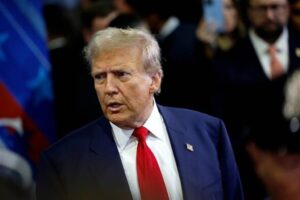
On the blockade, there were no half-measures. He defined it as a genocidal policy, more damaging in its recent stage — under the Donald Trump administration — than in its first six decades of imposition. He spoke of the high-sulphur Cuban fuel that thermoelectric plants were not designed to process, of the impossibility of US tourists reaching Cuba, and how all of this ends up suffocating the resources the country needs to sustain its public health.
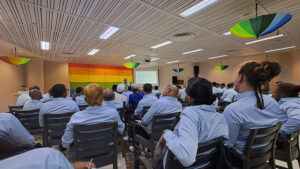
And to close, the word that the date imposed: volunteerism. He spoke of his own beginnings in the 1970s, when health prevention depended on volunteer secretaries in the CDR, the FMC, the CTC. Today, he said, that volunteerism — the one that sustains networks like the HSH — is of the highest qualification: nurses, psychologists, engineers, doctors, people with more than 12 years of schooling, who manage to talk about sex where even the doctor himself cannot. A golden volunteerism, he insisted, which only needs guidance, protection and tools.