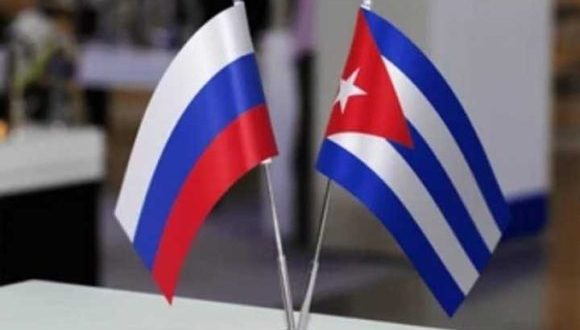
Russian presidential spokesman Dmitry Peskov reiterated today that Russia is examining options to help Cuba amidst a severe fuel shortage, as a consequence of the oil blockade imposed by the United States.
«We have held conversations throughout these days, we are in contact with our Cuban friends, we are discussing the options that exist to provide them with aid,» declared the Kremlin spokesperson in statements to the media.
The head of the press service for the Presidency of the Eurasian giant acknowledged that «for obvious reasons, one cannot speak of these matters so publicly.»
When asked whether the Kremlin fears an increase in friction with the White House, which has threatened additional tariffs on countries that assist Cuba, Peskov responded: «We do not want an escalation, but on the other hand, our trade exchange with the United States is practically non-existent.»
Previously, Russian Foreign Ministry spokesperson Maria Zakharova categorised the actions exerted by the US Administration against the Caribbean nation as an «energy blockade.»
«The unprecedented measures adopted by the United States to block the supply of energy carriers to Cuba, that is, an energy blockade which includes aviation fuel, has provoked a very serious situation that also affects the flights of Russian airline companies,» denounced the spokeswoman for the Slavic country’s Foreign Ministry.
In her customary weekly press briefing, the diplomat condemned this Thursday that the measures applied by Washington against Havana, besides having the objective of aggravating the energy crisis, are also designed to provoke discontent among the local population and foreigners experiencing inconveniences in this context.
Zakharova recalled that the White House has prolonged the blockade on the largest of the Antilles for several decades.
«Now this situation has simply been taken to an absurd point, because they are striking economically and logistically precisely those people whom, for so many years, they claimed to ‘care for’, speaking of human rights,» she criticised.
On 29 January, United States President Donald Trump signed an executive order declaring a «national emergency» in the face of the supposed «unusual and extraordinary threat» that, according to Washington, Cuba supposedly represents for the security of the North American country and the region.
The text accuses the Cuban Government of aligning itself with «numerous hostile countries,» of harbouring «transnational terrorist groups» such as Hamas and Hezbollah, and of allowing the deployment on the island of «sophisticated military and intelligence capabilities» from Russia and China.