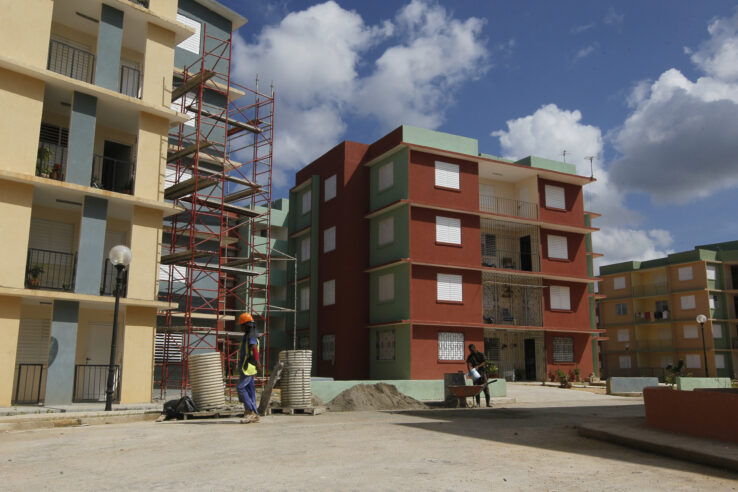
The Draft Housing Law Bill, which has been undergoing a digital public consultation since January, introduces structural changes to Cuban housing policy. With a deficit of over 900 thousand homes and more than a third of the housing stock in a fair or poor state, the new legislation — which would repeal the 1988 General Law — seeks to modernise tenure, expand property rights and diversify financing sources.
Below are the key questions and answers regarding the legislative proposal:
1. What is the most significant innovation in the draft bill?
The elimination of the confiscation of homes due to permanent departure from the country. For the first time, emigrated Cubans will be able to keep, inherit and transfer their properties without losing them due to establishing permanent residence abroad. This measure, which for decades generated uncertainty, equates the treatment of emigrants with that of residents on the island in terms of property rights.
2. What changes does it introduce regarding the number of homes a person can own?
The draft bill allows natural persons to own up to two homes, not counting the so-called «holiday home» — located in beach, countryside or mountain areas — which may be owned independently. This expands the possibilities for the legal accumulation of properties, until now severely restricted.
3. How is the transfer of properties regulated?
The rules for sale, donation, exchange and inheritance are clarified and made more flexible. Holiday homes will have the same transfer rights as residential ones, and all may be subject to purchase and sale without the administrative obstacles that have characterised the Cuban property market until now. The discretion of local bodies is reduced and more streamlined procedures are established.
4. What innovations does it incorporate regarding housing financing?
The law introduces, for the first time, the concept of mortgage financing, which will allow families to acquire or build homes through long-term loans guaranteed by the property itself. Until now, options were limited to personal savings, remittances or progressive construction. This mechanism will be complemented by traditional bank credits and state subsidies for vulnerable sectors.
5. Who are the subsidies and special benefits intended for?
Priority is given to those affected by natural disasters, families living in overcrowded conditions, young people of working age, large families, elderly adults, persons with disabilities and victims of domestic violence. A specific chapter on young people’s access to housing is also included, recognising the barriers they face in the property market.