
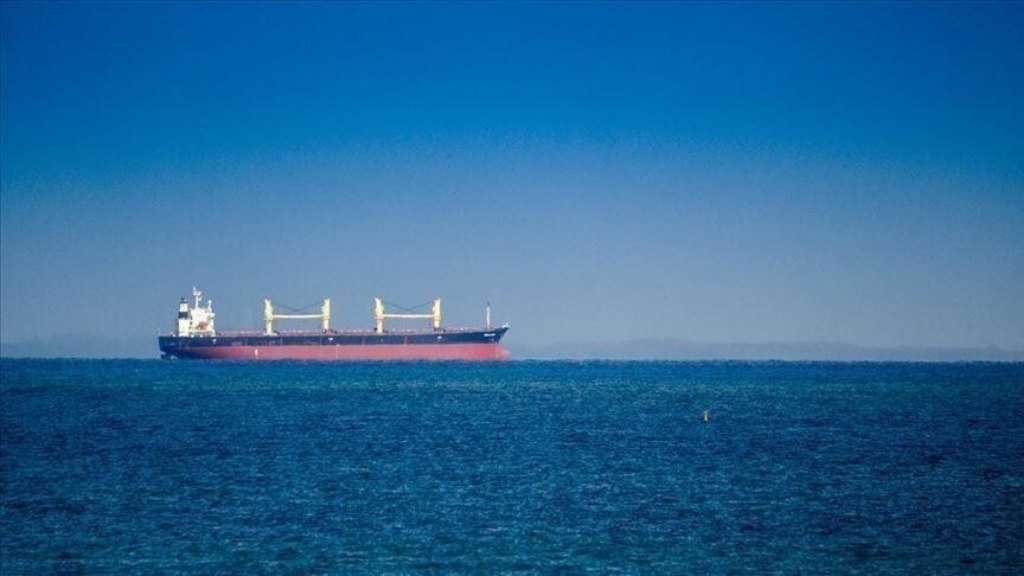
The first Iranian ships sailed without incident through the area where the United States had maintained a naval blockade, following the agreement reached between Washington and Tehran to end hostilities, the Iranian agency Fars reported today.
According to the semi-official outlet, the maritime transit took place after US President Donald Trump ordered the lifting of naval restrictions as part of the understanding reached between both nations.
The agency specified that an Iranian VLCC supertanker and a livestock transport vessel set sail from international waters bound for Iranian ports, while another tanker crossed the Sea of Oman towards its assigned export terminal.
Fars offered no additional details on the vessels’ final destination or the cargo carried by the tankers.
The passage of the ships comes two days after the United States and Iran, with Pakistan’s mediation, announced a memorandum of understanding aimed at ending the conflict triggered by the military offensive launched by Washington and Tel Aviv against Iranian territory on 28 February.
While the US president assured that the agreement had already been signed and that the Strait of Hormuz would be fully open from Friday, Iranian authorities indicated that the official signing of the memorandum would take place in Geneva, Switzerland, on that same date.
According to analysts cited by regional media, the measures taken so far represent a preliminary implementation of the ceasefire and the temporary lifting of the maritime blockade imposed on Iran, while preparations are made for the public signing of the agreement and the start of a 60-day period of technical negotiations on various bilateral matters.
The United States had imposed restrictions on maritime traffic linked to Iranian ports, including those located in the strategic Strait of Hormuz, from 13 April, a measure that affected one of the main routes for global trade and energy supply.